Engineering High-Agency Agent Ecosystems on Windows

Writer

The landscape of software development is undergoing a structural shift. As the velocity of open-source projects converges with AI-augmented software engineering, our underlying platforms must evolve. To support intelligent agents safely, quickly, and at scale, the foundational architecture of our developer environments is fundamentally changing.
This article deconstructs the core architectural topics driving this shift, exploring how the Windows ecosystem is adapting to support autonomous AI agents through rigorous engineering, parallel workflows, and dynamic security.
1. The Shift to Agentic Ecosystems
Building intelligent systems is no longer just about prompt engineering; it’s about integrating autonomous actors into existing developer ecosystems.
Historically, open-source innovation relies on a “Yes, And” improv mindset—a collaborative framework where communities seamlessly build upon each other’s ideas without friction. As we introduce AI agents into this ecosystem, the OS itself must become a cooperative participant.
Building companion applications (such as porting a Mac agent application natively to Windows) serves as the new benchmark test—an agentic “Hello World.” It validates whether the underlying operating system can act as a robust, low-latency base of the pyramid for agentic execution. This “coopetition” between platforms forces continuous improvements in sandboxing, packaging, and permission models, ultimately raising the engineering water level for the entire industry.
2. From “Vibe Coding” to High-Agency Engineering
As teams transition to AI-augmented software engineering at scale, the industry must pivot away from fragile, speculative “vibe coding” and embrace rigorous software development life cycles (SDLC).
Agency vs. Agents
An agent is simply a tool executing a task. Agency, specifically high-agency, is a behavioral philosophy for engineering teams. In high-agency environments, the prevailing mindset is “Just fix it”—developers and their AI counterparts don’t wait for permission to resolve architectural debt or fix broken pipelines. They execute safely within a guarded system.
The Automated Guardrails
Autonomy without guardrails is a liability. To support high-velocity engineering without sacrificing system stability, a rigorous testing pipeline is non-negotiable:
| Test Layer | Engineering Objective |
|---|---|
| Unit Tests | Validates isolated logic, core utility functions, and discrete code paths generated by developers or agents. |
| Integration Tests | Ensures newly injected code blocks or agentic modifications interact correctly with state stores, APIs, and adjacent subsystems. |
| Smoke Tests | Conducts high-level verification to ensure the build is stable and deployment-ready before reaching production environments. |
By relying on automated guardrails instead of manual gatekeeping, platforms scale rapidly while maintaining an ironclad posture toward quality.
3. Workflow Optimization: Parallel Execution
If agents are to act with high agency, our developer workflows must evolve to accommodate them.
The traditional developer workflow—checking out a single repository into a single folder and switching branches via git checkout—introduces severe context-switching friction. When orchestrating multiple AI agents to work alongside human engineers, this old approach becomes a massive bottleneck.
Moving Beyond Branch Switching
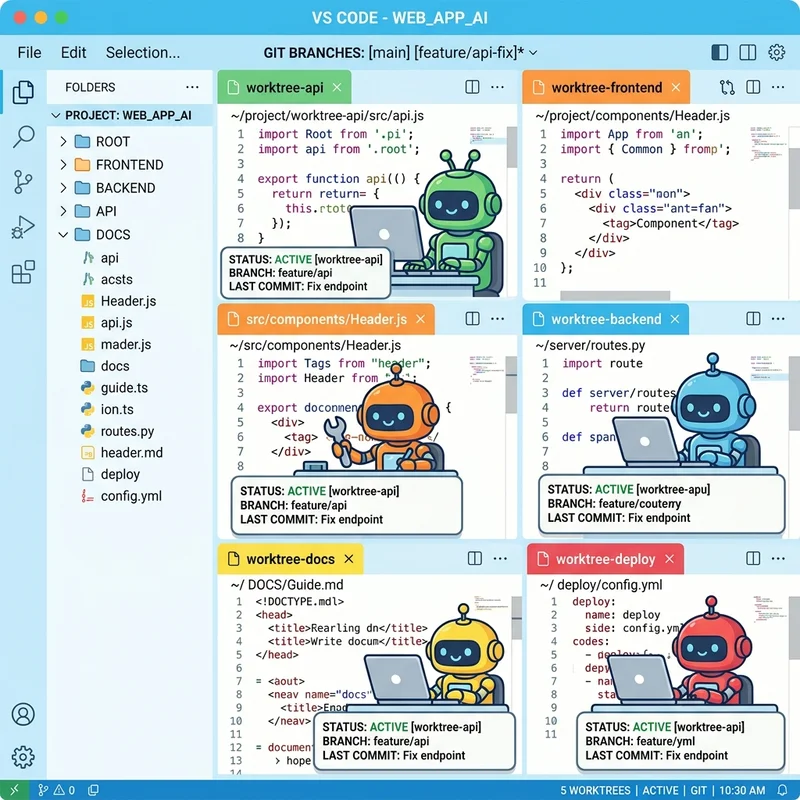
The modern paradigm relies on moving beyond standard checkout flows to Git Worktrees. Instead of switching branches inside a single directory, Git Worktrees allow you to check out multiple branches of the same repository into separate, concurrent folders that share the same underlying .git history.
The Performance Trifecta
This approach enables parallel agent execution—allowing developers to run 3 to 5+ agents simultaneously across separate worktrees without colliding. To maximize throughput, teams are adopting a new performance trifecta: Windows + Dev Drive + Git Worktrees + GitHub Copilot App. By utilizing a high-performance workspace like Dev Drive (powered by ReFS) with native worktree support, you eliminate disk I/O bottlenecks completely.
4. The Security Architecture: Beyond Containers
If autonomous agents are running in parallel workspaces and executing code, how do we secure them?
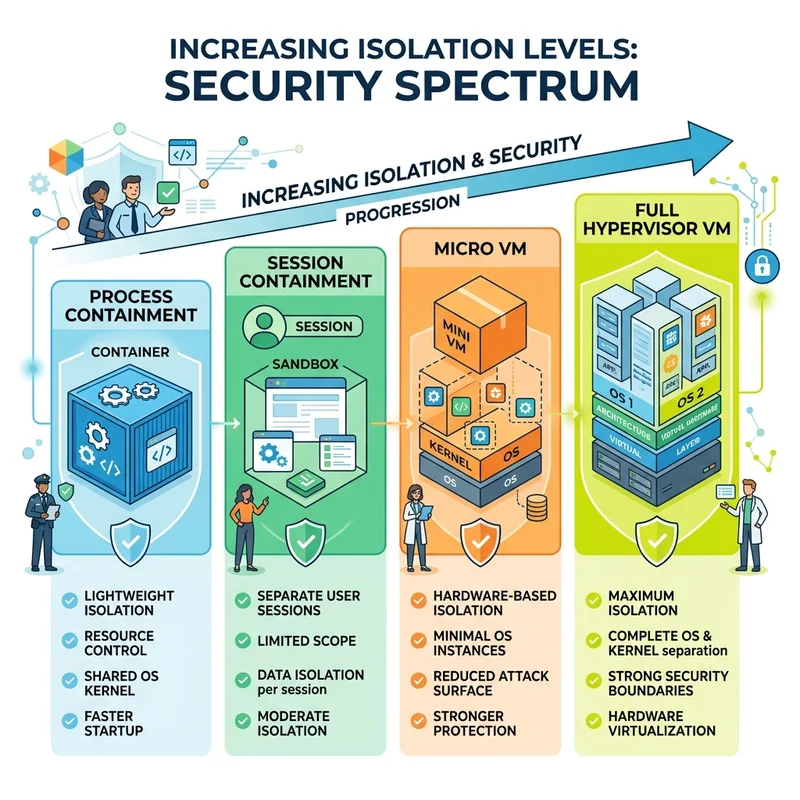
A common misconception among enterprise leadership is debunking the “3-click slider bar” (Uncontained, Contained, and Hypervisor/VM). Real-world agent security is vastly more nuanced.
Classic OCI Containers vs. WSLC
Classic containers (like Docker or Podman) follow Open Container Initiative (OCI) standards. On Windows, this ecosystem has evolved with the introduction of WSLC (the new container runtime on Windows powered by WSL). WSLC allows native OCI container execution directly within the support structures of the Windows Subsystem for Linux, stripping away legacy virtualization overhead.
The Generalized Concept of “Containment”
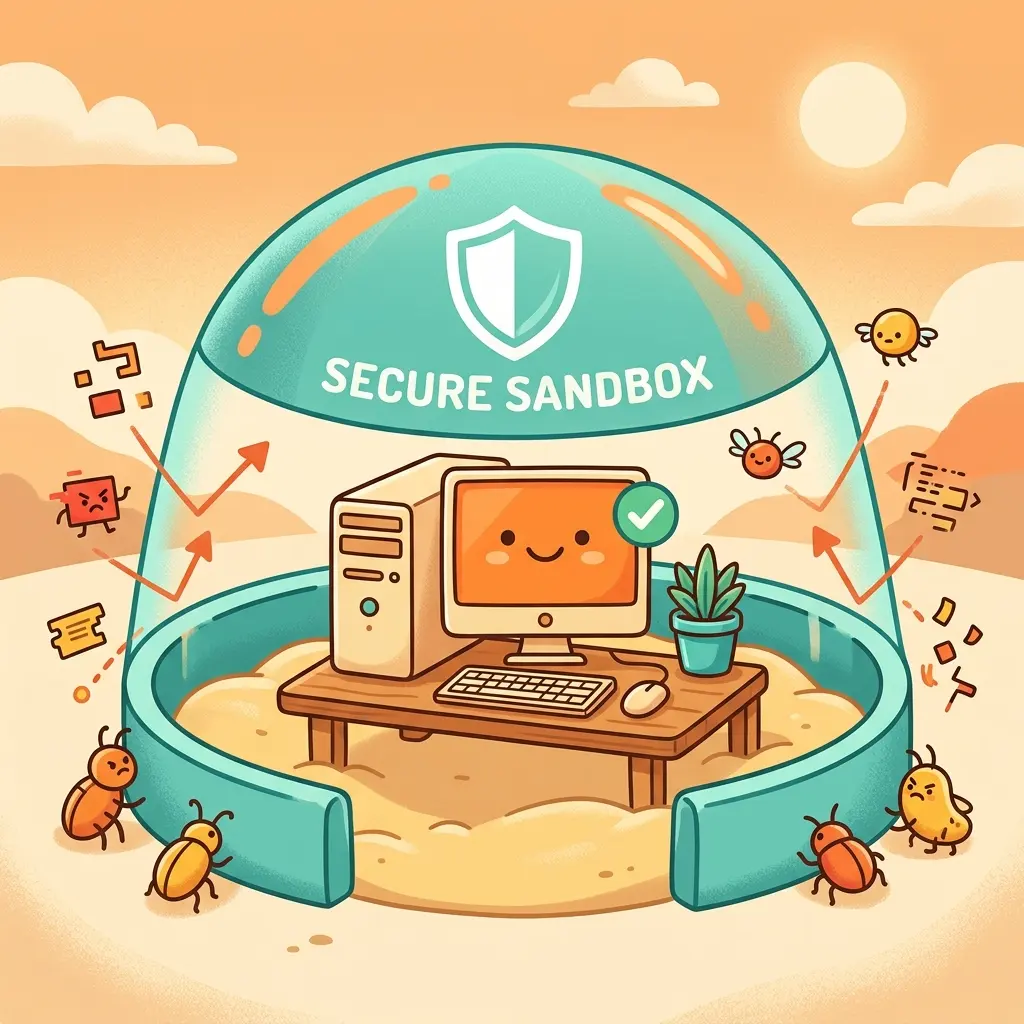
Where a container is merely an implementation detail, containment is the generalized paradigm of drawing a definitive, impermeable boundary around an agent’s execution context.
The implementation spectrum encompasses Process, Session, Micro VM, and Full VM containment. If an enterprise agent requests access to an internal corporate data layer to compile an executive brief, containment ensures that the agent cannot leak data to external endpoints and is structurally blocked from writing unverified local files. The exact isolation mechanism is abstracted away from the application layer and managed dynamically by the host system.
5. The Future Paradigm: Dynamic Policy Engines
Looking ahead, the security profiles governing intelligent software must evolve from rigid, static configuration files into intelligent, real-time dynamic policy engines.
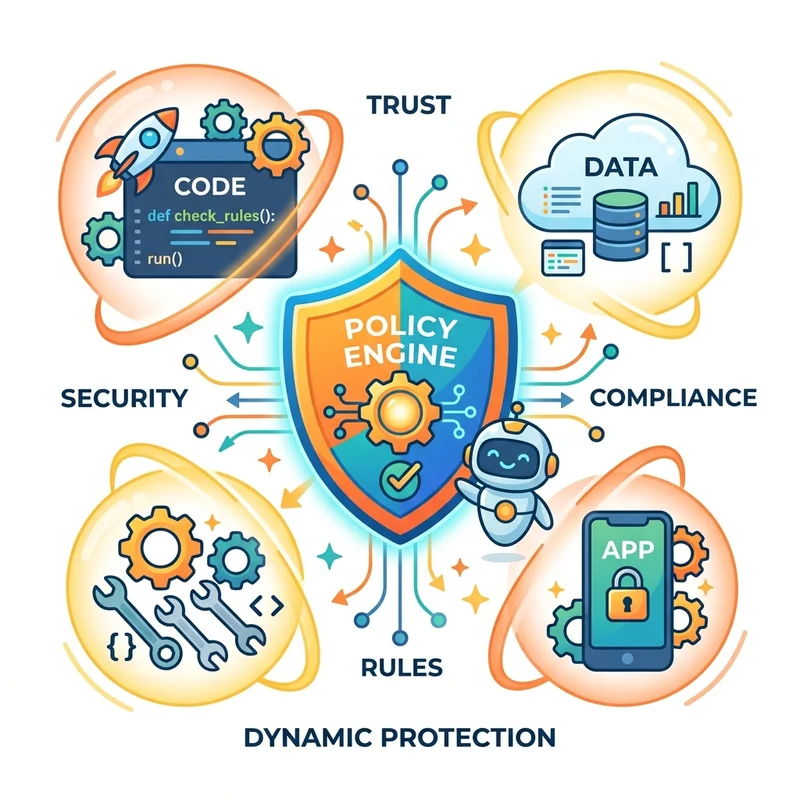
Moving away from static, one-size-fits-all policies is critical. These legacy boundaries are fundamentally incompatible with complex tool-use models.
Tool-Call by Tool-Call Dynamic Policy Generation
The future requires security boundaries that adapt on a tool-call by tool-call basis. When an agent determines its intent and constructs a specific tool call, the host operating system dynamically generates an ephemeral, customized containment environment tailored exactly to that single tool’s requirements—granting the precise access needed to execute, and dissolving immediately afterward.
Invisible UX vs. Absolute IT Control
This engineering objective satisfies two critical enterprise requirements simultaneously:
- Invisible User Experience: The security mechanisms run completely transparently to the developer or end-user; the software “just works” without intrusive permission prompts.
- Absolute IT Control: Infrastructure administrators retain full cryptographic auditability and deterministic control over what data can leave the boundary on every single inference cycle.
By marrying high-agency development velocity with dynamic, automated containment frameworks, platforms create a highly optimized and secure ecosystem for the next generation of AI-augmented software engineering.
Read next