Context is the New Code: Architecting the Context Development Life Cycle (CDLC)

Writer
Quiz available
Take a quick quiz for this article.
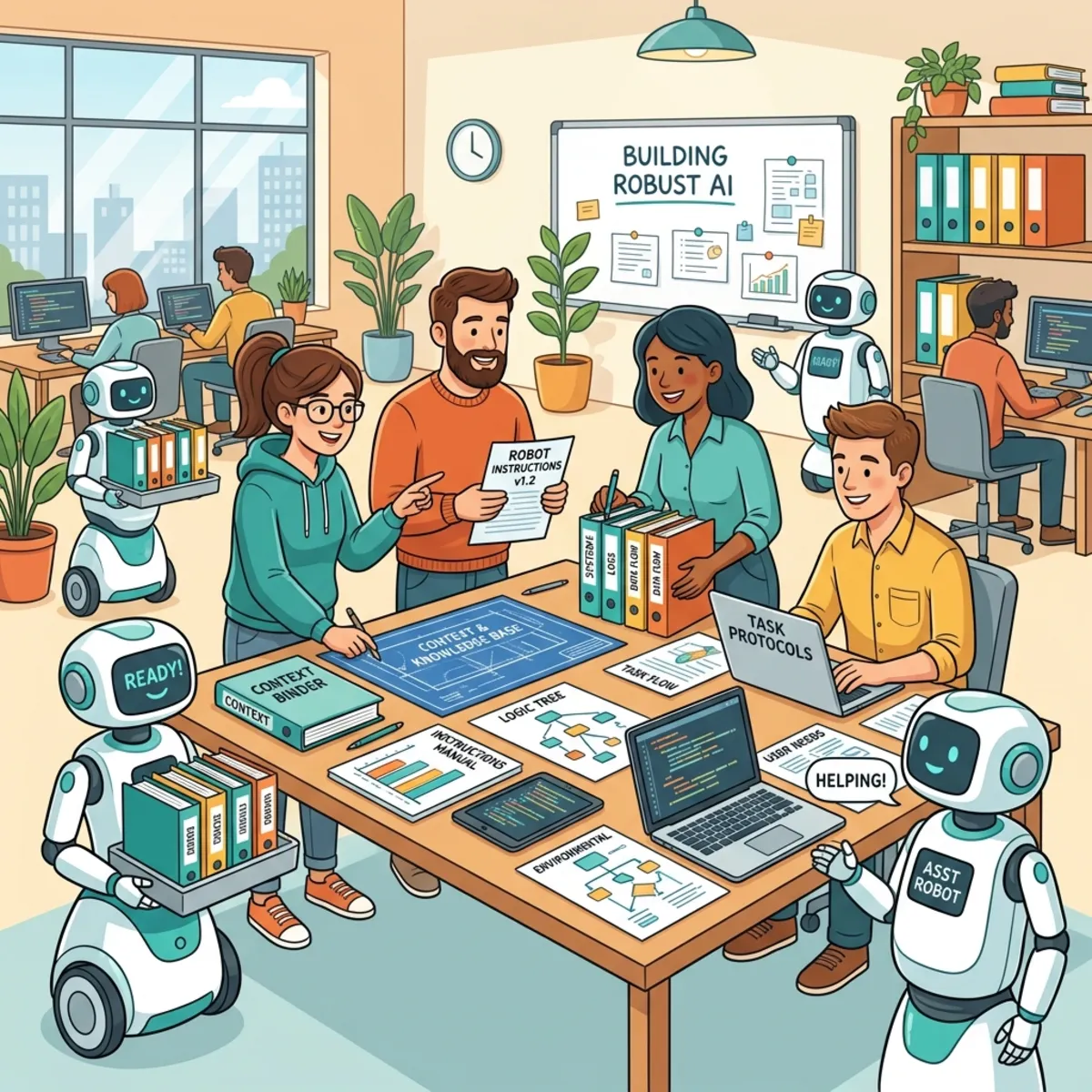
The era of manual syntax authoring is rapidly closing. As developers increasingly adopt “vibe coding”—steering AI agents with high-level prompts rather than writing line-by-line logic—the underlying asset of software engineering is fundamentally shifting. We are no longer just writing code; we are engineering context.
If context dictates the quality, security, and architecture of the code our agents generate, then context can no longer be treated as a disposable text prompt. It must be treated with the exact same rigor as production software.
Just as the DevOps movement of 2009 forced operations to adopt development principles, the AI engineering era requires us to build a Context Development Life Cycle (CDLC).
Context is the New Code. Context—prompts, instructions, and workflows—replaces traditional code blocks. The time saved writing code will now be spent writing rigorous evaluations.
Here is a deep dive into the CDLC pipeline, a continuous loop of: Generate → Test → Distribute → Observe → Adapt.
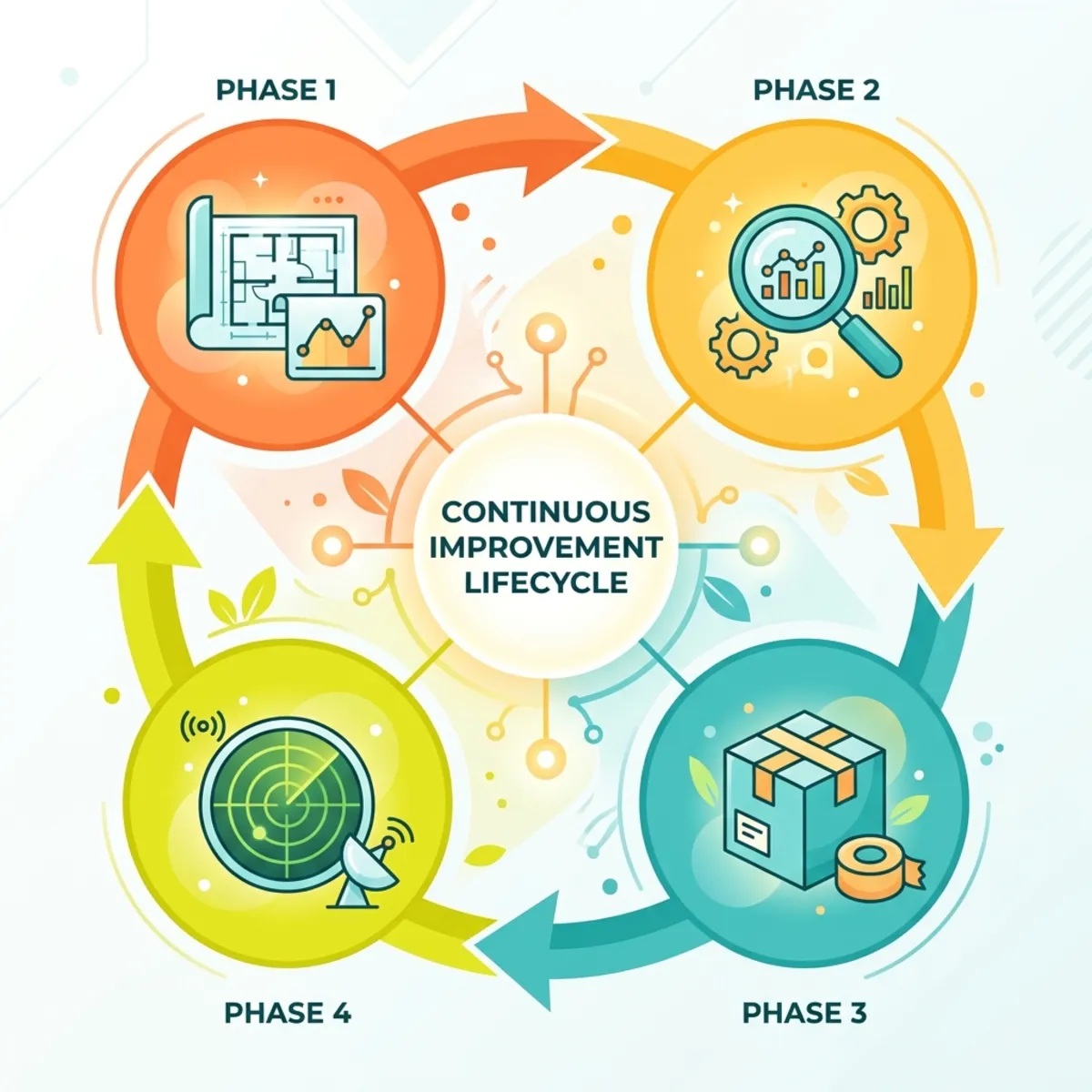
1. Generate: Sourcing and Structuring the Fuel
The LLM is just the engine; context is the fuel. If you provide poor fuel, you will get poor performance, regardless of the model’s capabilities. Human context creation via prompting is the foundation, but to achieve scale, we must move towards standardized, reusable Skills—workflows that combine instructions, ecosystem awareness, and scripts.
Standardization and Dynamic Assembly
- Reusable Context Files: Instead of rewriting constraints, teams are standardizing context via files like
agent.mdorclaude.md. This acts as the base operating system for the coding agent within a specific repository. - Dynamic External Context: Models frequently hallucinate library versions. Advanced generation involves dynamically pulling in the exact, up-to-date documentation for your specific tech stack to prevent hallucination before the agent begins writing code.
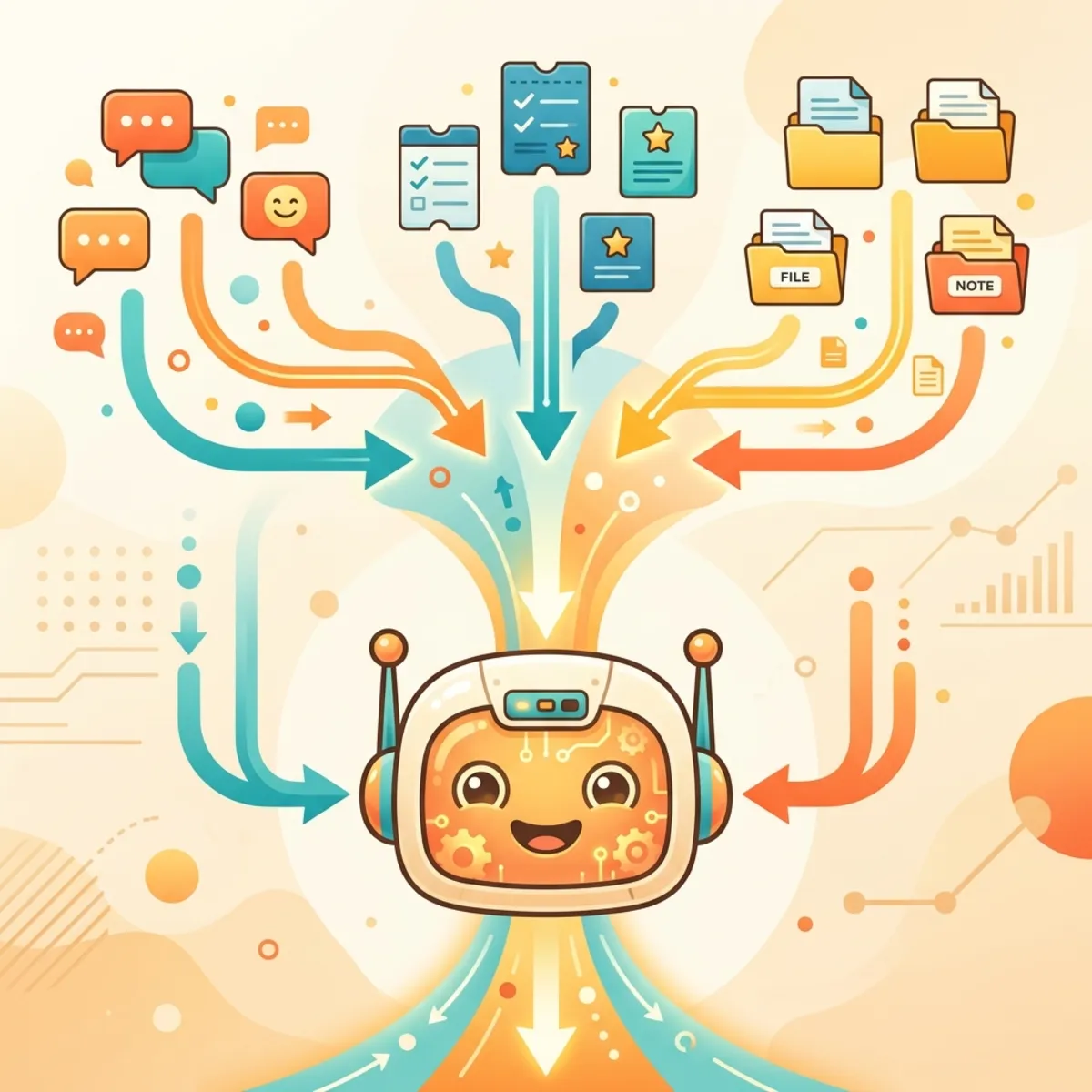
- Aggregating System Context: The best prompts aren’t written; they are assembled. Pulling system context from GitLab, GitHub, Slack threads, and Jira tickets provides the agent with the “why” behind the code.
- Spec-Driven Development: Engineers are moving toward writing rigorous specifications, allowing agents to break down high-level prompts into actionable, step-by-step planning modes before generating the actual source code.
2. Test: Evals, Guardrails, and Error Budgets
You tweak two lines in your agent.md file. What is the impact? The danger of changing context without testing the blast radius is massive. It is a YOLO deployment.
Validating the Context
- Context Linting: Validating the structure and format of a prompt. This ranges from simple linters enforcing character limits to verifying required fields for “skills”.
- “Grammarly” for Context: Asking an LLM if the written context is understandable and complete before running it.
Voice Coding Tip: Voice-to-text often yields much better context than typing. Speaking naturally encourages the verbosity and descriptive depth that LLMs crave to function accurately.
Evaluating the Output
- Rule-Based Evals: Using an LLM Judge to verify if generated code adheres to company standards (e.g., “Do all API endpoints start with
/awesome/?”). - End-to-End Evals: Evaluating static files isn’t enough. Give your LLM Judge execution tools—like spinning up a sandbox and executing a
curlcommand to test the running code natively. - CI/CD for Context: LLMs produce non-deterministic outputs. A binary pass/fail CI gate will break constantly. Instead, run tests multiple times and apply “error budgets” (e.g., 4 out of 5 runs must pass to be considered successful).
3. Distribute: Packaging Context as a Dependency
When a highly effective prompt or “skill” is created, copy-pasting it over Slack is not a scalable enterprise solution. Context must be committed to source control (Git) and distributed like a software library.
- Context Registries: We are seeing the emergence of registries (similar to
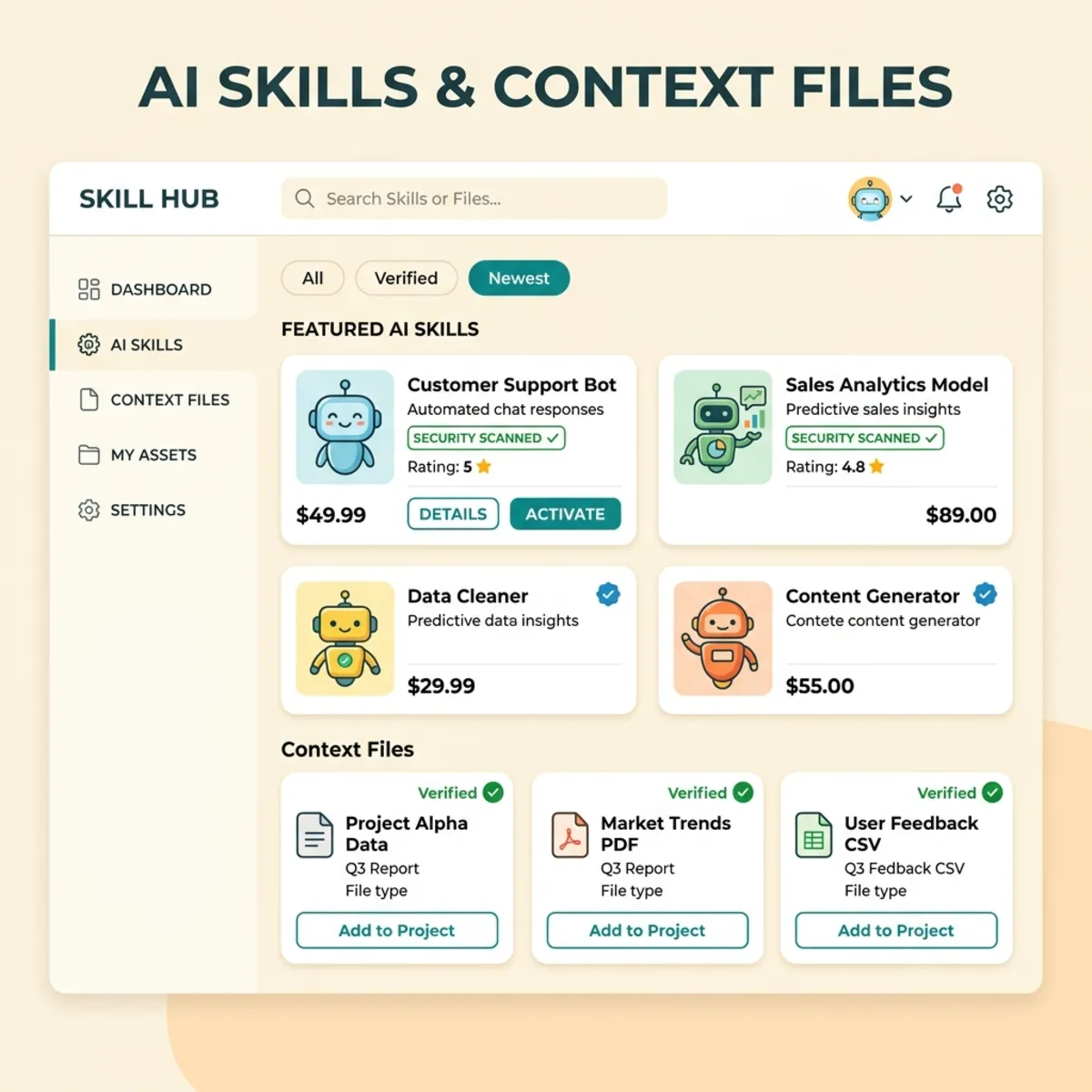
npmpackages) specifically for AI skills. This allows teams to install frontend guidelines or security protocols directly into their agent’s working directory. - Dependency Management: With packaged context comes “Dependency Hell 2.0.” Managing conflicting context versions across multiple projects (e.g., a React context package conflicting with an internal UI-library context) is the next frontier.
- Security Scanning & AI SBOMs: Downloading third-party context introduces massive risk. Context files must be scanned using tools like Snyk to catch credential leaks, third-party exposures, and prompt injections. Organizations must maintain an AI Software Bill of Materials (SBOM) to track exactly who built a skill, how it was built, and which models were used.
4. Observe: Telemetry and the Flywheel Effect
Once context is deployed and agents are generating code in production, continuous feedback is required to improve the system.
- Mining Agent Logs: When an agent fails or stalls, analyzing logs reveals exactly what context it was missing. You can then write new context to fill that gap globally.
- Automated PR Feedback: A rejected pull request is a failed context test. PR comments should be treated as direct feedback that the initial context was flawed, routing back to refine the
agent.mdfile. - Production Telemetry: Instrumenting running code to automatically generate context test cases when it fails in production.
- Security Observability: Agents natively load
.mdfiles without restrictions. To prevent malicious prompt injections, introduce Context Filters—an observability layer acting as a Web Application Firewall (WAF) specifically for AI prompts.
| CDLC Phase | Primary Action | Key Challenges | Key Deliverables |
|---|---|---|---|
| Generate | Authoring and assembling prompt instructions. | Hallucinations, lacking system context. | agent.md, standard skills, dynamic docs. |
| Test | Evaluating context before deployment. | Non-deterministic LLM output. | Rule-based evals, end-to-end sandboxing. |
| Distribute | Packaging context for team consumption. | Dependency hell, prompt injection risks. | AI SBOMs, Context Registries, versions. |
| Observe | Monitoring agent execution in production. | Identifying missing logic post-deployment. | Context Filters (WAF), automated PR loops. |
The Paradigm Shift: Scaling the Flywheel
Coding is transforming back into architecture and orchestration. By moving from a solo developer hacking together prompts to a team loop, and eventually an enterprise-wide Context Development Life Cycle, teams create a massive flywheel effect.
A context gap is found, the prompt is engineered, tests are written, and the updated skill is distributed. The result is an engineering organization that scales infinitely alongside its AI agents.
Read next